Director INBA: A Look at the Leadership of Mexico’s Premier Arts Institution
- Introduction: Understanding the Role of the Director INBA
- A History of Leadership at INBAL
- Lucina Jiménez López: A Recent Chapter
- Alejandra de la Paz Nájera: The Current Director
- Key Responsibilities of the Director INBA
- Challenges and the Future of INBAL’s Direction
- Conclusion: The Enduring Importance of the Director INBA
The director INBA holds a pivotal role in shaping Mexico’s vibrant cultural landscape. As someone deeply interested in the arts and cultural institutions, I’ve always been fascinated by the leadership of the Instituto Nacional de Bellas Artes y Literatura (INBAL). This institution is the driving force behind promoting and preserving Mexico’s rich artistic heritage. Understanding the responsibilities and the individuals who have held this position gives us valuable insight into the direction of the arts in the country.
Since its creation in 1946, INBAL has been a cornerstone of Mexican culture, tasked with stimulating artistic production, promoting the arts, and organizing arts education nationwide. The role of the director is crucial in navigating the complexities of this mission, balancing tradition with innovation, and ensuring the arts remain accessible to all. It’s a challenging job, requiring a deep understanding of various artistic disciplines, administrative skill, and a clear vision for the future.
A History of Leadership at INBAL
Looking back at the history of INBAL’s directors reveals a lineage of distinguished individuals who have left their mark on the institution and Mexican culture. The first director general was the renowned composer Carlos Chávez, who was instrumental in the institute’s founding in 1947. Chávez’s tenure set the stage for INBAL’s role in fostering national artistic talent and promoting Mexican art on an international level. His vision helped solidify the institute’s place as a key cultural entity.
Over the decades, many notable figures have served as director general, each contributing their unique expertise and perspective. While a comprehensive list of every director would be extensive, some names stand out for their significant contributions. For instance, Andrés Iduarte Foucher, a narrator and essayist, served in the early years, followed by others with diverse backgrounds in literature, history, and arts administration. This variety in leadership reflects the multidisciplinary nature of INBAL itself, which encompasses music, theater, dance, visual arts, literature, and architecture.
Understanding this history is essential to appreciating the evolution of INBAL and its impact. Each director has faced different challenges and opportunities, shaped by the political and social context of their time. Their decisions and initiatives have directly influenced the programs, priorities, and reach of the institute, ultimately affecting the artists and audiences it serves.
Lucina Jiménez López: A Recent Chapter
In recent years, the name Lucina Jiménez López was synonymous with the directorship of INBAL. Appointed in 2018, she served as Director General until late 2024. Dr. Jiménez López, a Doctor in Anthropological Sciences, brought a strong background in cultural policy to the role. She had prior experience as an expert in cultural policy for international organizations like United Cities and Local Governments (UCLG) and was a member of UNESCO’s Group of Experts on Governance for Culture and Development. Her tenure was marked by efforts to strengthen the institution and promote cultural rights.
During her time as director, Dr. Jiménez López emphasized the importance of connecting INBAL with communities and integrating artistic education with social development. Her work aimed to make the arts more accessible and relevant to a wider audience across Mexico. She was recognized for her contributions to cultural rights, receiving awards like the Premio Ángel de la Ciudad.
My personal observation of this period was a noticeable push towards greater inclusivity and a focus on the social impact of the arts. It seemed there was a genuine effort to broaden INBAL’s reach beyond traditional venues and engage with diverse artistic expressions. While the full impact of her leadership will be assessed over time, it’s clear she brought a strong vision centered on the transformative power of culture.

This image is a fictional image generated by GlobalTrendHub.
Alejandra de la Paz Nájera: The Current Director
As of October 2024, Alejandra de la Paz Nájera assumed the role of Director General of the Instituto Nacional de Bellas Artes y Literatura. Her appointment marked a new phase for the institution. De la Paz Nájera is a graduate in History from Universidad Iberoamericana and has a background in cultural and educational cooperation. Before leading INBAL, she held positions in institutions like the Instituto Mexicano de la Radio and served in cultural and educational roles at Mexican embassies and consulates abroad.
The transition in leadership often brings with it new perspectives and priorities. The Secretary of Culture, Claudia Curiel de Icaza, emphasized the importance of strengthening INBAL’s work in all areas under De la Paz Nájera’s direction, highlighting the institution’s fundamental role in artistic education, creation, preservation, and research. De la Paz Nájera has expressed commitment to working collaboratively and engaging with the diverse communities that make up the INBAL ecosystem.
It will be interesting to see how her historical background and experience in international cultural relations will shape the future direction of INBAL. Will there be a greater emphasis on international collaborations? How will her leadership address the ongoing challenges and opportunities facing the arts in Mexico today? Only time will tell, but her appointment signals a continuation of INBAL’s crucial role in the country’s cultural life.
Key Responsibilities of the Director INBA
The director INBA is responsible for a wide range of duties that are essential to the functioning and mission of the institution. These responsibilities include:
- Strategic Planning and Vision: Defining the overall direction, goals, and priorities for INBAL in alignment with national cultural policies.
- Artistic Programming: Overseeing the planning and execution of diverse artistic programs across all disciplines, including exhibitions, performances, festivals, and literary events.
- Educational Leadership: Guiding the numerous schools and educational programs under INBAL, ensuring quality arts education at various levels.
- Preservation and Research: Supervising the conservation of artistic heritage and promoting research in the arts.
- Institutional Management: Managing the administrative and financial aspects of a large and complex institution.
- Public Representation: Serving as the public face of INBAL, engaging with artists, cultural professionals, government officials, and the general public.
- International Relations: Fostering collaborations and exchanges with international cultural institutions and promoting Mexican art abroad.
This is a demanding role that requires a blend of artistic sensibility, administrative expertise, and leadership skills. The director must navigate political landscapes, secure funding, and respond to the evolving needs of the artistic community and society.
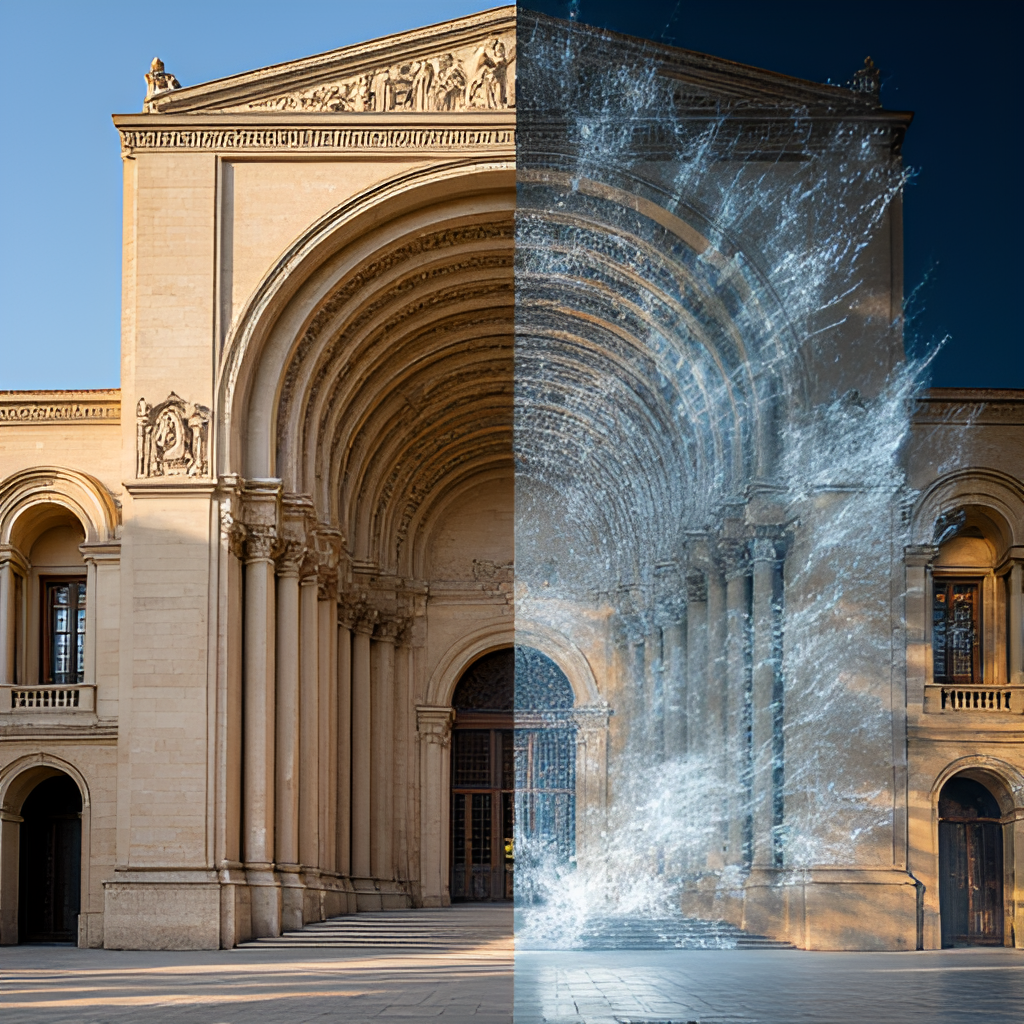
This image is a fictional image generated by GlobalTrendHub.
Challenges and the Future of INBAL’s Direction
Like many cultural institutions globally, INBAL faces its share of challenges. Securing adequate funding is often a perennial issue, impacting the scope and scale of programs. Balancing the preservation of tradition with the promotion of contemporary and experimental art forms can also be a delicate act. Furthermore, ensuring accessibility and reaching underserved communities across Mexico remains a vital ongoing effort. The digital age presents both opportunities and challenges for disseminating artistic content and engaging new audiences. How will INBAL leverage technology while maintaining the قيمه (value) of live artistic experiences?
The future of INBAL’s direction under Alejandra de la Paz Nájera will likely involve addressing these ongoing challenges. Her background in international relations might suggest an increased focus on global partnerships and showcasing Mexican art on the world stage. We might also see continued efforts to decentralize cultural activities and strengthen regional arts initiatives. The specific priorities and initiatives will unfold over time, but the core mission of promoting and preserving Mexican art and culture will undoubtedly remain at the forefront.
Conclusion: The Enduring Importance of the Director INBA
In conclusion, the director INBA plays an indispensable role in the health and vitality of Mexico’s artistic and cultural landscape. From its first director, Carlos Chávez, to the current director, Alejandra de la Paz Nájera, the leadership of INBAL has been crucial in steering this vital institution. The challenges are real, but so too are the opportunities for growth and impact. Understanding the history and the responsibilities of the director INBA provides a clearer picture of the forces shaping the arts in Mexico. As an observer and admirer of Mexican culture, I look forward to seeing how INBAL continues to evolve under its current leadership, enriching the lives of citizens and sharing the beauty of Mexican art with the world.