Joshua Van: Navigating Life on Wheels
- Introduction: The Call of the Open Road
- Why Embrace the Joshua Van Lifestyle?
- Bringing a Joshua Van to Life: The Conversion Journey
- A Day in the Life: Realities of Living in a Joshua Van
- Overcoming Obstacles: Practical Tips for Joshua Van Nomads
- Finding Your Tribe: Connecting in the Joshua Van World
- The Enduring Allure of the Joshua Van Adventure
Joshua Van: Navigating Life on Wheels is more than just a phrase; for many, it represents a dream of freedom, adventure, and a minimalist lifestyle on the open road. Having spent time immersed in the van life community and even helping a friend convert his own vehicle, I’ve seen firsthand the transformative power of trading four walls for four wheels. It’s a journey filled with incredible highs, unexpected challenges, and a unique sense of community.
In this article, we’ll delve into what it truly means to live the joshua van lifestyle, exploring the motivations behind it, the practicalities of converting a vehicle, the day-to-day realities, and how to thrive in this unique way of living. Whether you’re just curious or actively planning your own transition, I hope to share some insights that resonate and perhaps inspire your own adventure.
Why Embrace the Joshua Van Lifestyle?
So, why are so many people drawn to life in a joshua van? The reasons are as varied as the individuals themselves. For some, it’s the allure of constant travel and the ability to wake up in a new place whenever the mood strikes. Imagine having your home parked right at a trailhead in a national park like Joshua Tree, ready for an early morning hike without needing to pack up a tent or drive for hours!
Others are motivated by financial freedom. Van life can be significantly cheaper than traditional housing, especially when you factor in reduced rent or mortgage payments, utility bills, and property taxes. While there are still costs like fuel, insurance, and maintenance, they often add up to less than the expenses of a stationary home.
Then there’s the minimalist appeal. Living in a van forces you to prioritize possessions and truly consider what you need. It’s a powerful exercise in decluttering and can lead to a greater appreciation for experiences over material things. I know for me, helping my friend downsize his belongings before the conversion was an eye-opener about how much “stuff” we accumulate without even realizing it.
Finally, there’s the sense of adventure and self-sufficiency. Building or customizing your own van, navigating different landscapes, and solving problems on the go builds resilience and confidence. It’s a chance to live life on your own terms, dictated by your desires rather than a fixed address or schedule.
Bringing a Joshua Van to Life: The Conversion Journey
The heart of the joshua van experience for many is the conversion process itself. Turning an empty cargo van into a comfortable, functional living space is a significant undertaking, but incredibly rewarding. The first step, of course, is choosing the right van. Options range from popular choices like the Mercedes Sprinter, Ford Transit, and Ram ProMaster to smaller, more budget-friendly minivans like a Toyota Sienna.
Once you have the base vehicle, the real work begins. This typically involves planning the layout, insulating the walls and ceiling, installing flooring, building cabinets and furniture, setting up electrical systems (often including solar panels), and potentially adding plumbing for a sink or shower.
My friend’s van build involved countless hours of planning and execution. We spent weekends wrestling with insulation boards, figuring out how to run wiring, and puzzling over cabinet dimensions. It wasn’t always easy – there were definitely moments of frustration and questioning our sanity! – but seeing the space come together, piece by piece, was incredibly motivating. We opted for a relatively simple build, focusing on a comfortable bed, basic cooking facilities, and ample storage. Some people go all out with complex systems and high-end finishes, while others prioritize simplicity and budget.

This image is a fictional image generated by GlobalTrendHub.
Online resources, forums, and social media groups are invaluable during this stage, offering build inspiration, technical advice, and troubleshooting tips from experienced van dwellers. It’s a true testament to the collaborative spirit within the van life community.
A Day in the Life: Realities of Living in a Joshua Van
Life in a joshua van isn’t always the sun-drenched, perfectly curated experience you see on Instagram. While the freedom is real, there are also practical realities to navigate daily. Simple tasks like finding a place to park overnight, doing laundry, or finding a bathroom require planning and resourcefulness.
Water management is a constant consideration. You need to be mindful of your water usage for drinking, cooking, and washing, and know where to refill your tanks. Similarly, managing waste, both trash and human waste, is crucial for respecting the environment and local communities.
Weather can also play a significant role. Extreme heat or cold can make life uncomfortable quickly if your van isn’t properly insulated or equipped with adequate heating or cooling. I remember one sweltering trip where we seriously regretted not investing more in ventilation early on!
Despite these challenges, the daily routine often involves waking up with the sunrise, making coffee in your tiny kitchen, working remotely (if you’re a digital nomad), exploring new trails or towns, cooking dinner outside under the stars, and falling asleep to the sounds of nature. It’s a different pace of life, one that encourages being present and appreciating the small things.
Overcoming Obstacles: Practical Tips for Joshua Van Nomads
Transitioning to the joshua van lifestyle comes with its own set of hurdles. Here are a few common ones and some tips based on collective experience and research:
- Finding Parking: This is arguably one of the biggest challenges. Research local regulations, use apps designed for finding overnight spots (like iOverlander or FreeCampsites.net), and be discreet, especially if stealth camping. Always be respectful of private property and “no overnight parking” signs.
- Staying Clean: Public showers (at campgrounds, gyms, or truck stops) become your best friend. Wet wipes are also incredibly handy for quick clean-ups. Some van dwellers install simple indoor or outdoor shower setups.
- Managing Mail and Residency: Many van dwellers use a ميل forwarding service or rely on family/friends’ addresses. Establishing residency in a state with favorable laws for vehicle registration and insurance is also important.
- Staying Connected: Reliable internet is essential for digital nomads. Hotspots, portable Wi-Fi devices, and seeking out cafes or libraries with free Wi-Fi are common strategies.
- Vehicle Maintenance: Your van is your home *and* your transportation. Regular maintenance is critical. Have a basic toolkit and know how to handle minor repairs. Be prepared for unexpected breakdowns and factor potential repair costs into your budget.
It’s also important to acknowledge the mental and emotional aspects. Van life can be lonely at times, and dealing with unexpected issues can be stressful. Building a support network, staying connected with friends and family, and practicing mindfulness can make a big difference.
Finding Your Tribe: Connecting in the Joshua Van World
One of the most surprising and rewarding aspects of van life, and living the “Joshua van” dream, is the incredible sense of community. Despite being constantly on the move, van dwellers are often eager to connect with others who understand this unique lifestyle.
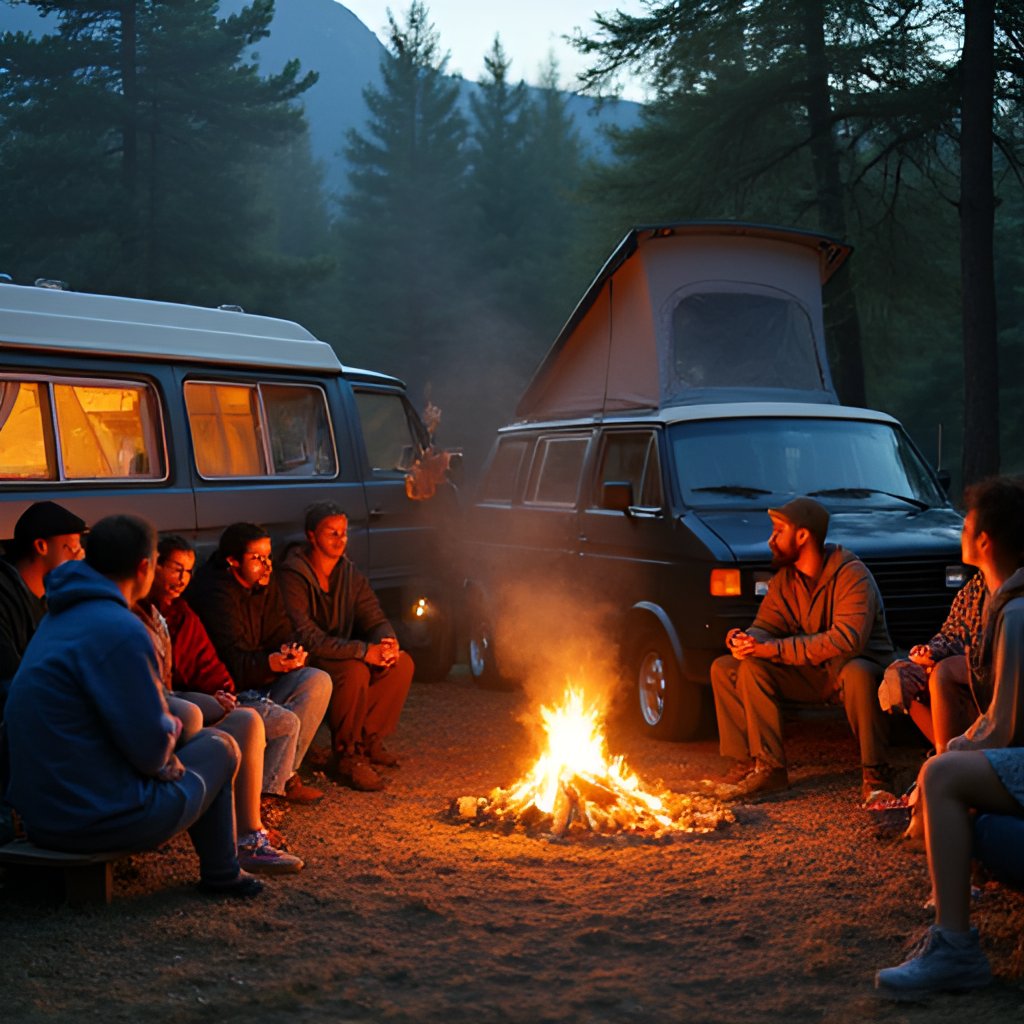
Online forums, social media groups, and meetups are great ways to find fellow travelers, share tips, and even caravan together for a while. There are also dedicated van life gatherings and festivals held throughout the year where you can connect with a larger community.
This image is a fictional image generated by GlobalTrendHub.
Meeting other van lifers has always been a highlight of my road trips. Everyone has a story to tell, often involving creative problem-solving, unexpected detours, and breathtaking discoveries. It’s a supportive network where people are happy to offer advice, lend a hand with a repair, or simply share a campfire story.
This sense of belonging is crucial, especially when facing the challenges of life on the road. Knowing there’s a network of people who “get it” can make all the difference.
The Enduring Allure of the Joshua Van Adventure
Ultimately, the joshua van lifestyle is a deeply personal journey. It’s not for everyone, and it certainly has its ups and downs. But for those who are drawn to it, the rewards of freedom, adventure, and a connection to both nature and a supportive community are immense.
From the initial dream and the challenging but fulfilling build process to the daily realities and the endless possibilities for exploration, living in a joshua van offers a unique perspective on life. It encourages adaptability, resourcefulness, and a focus on experiences over possessions. If you’re considering this path, do your research, talk to people who are living it, and be prepared for a journey that will undoubtedly change you in unexpected ways. The road is waiting.